
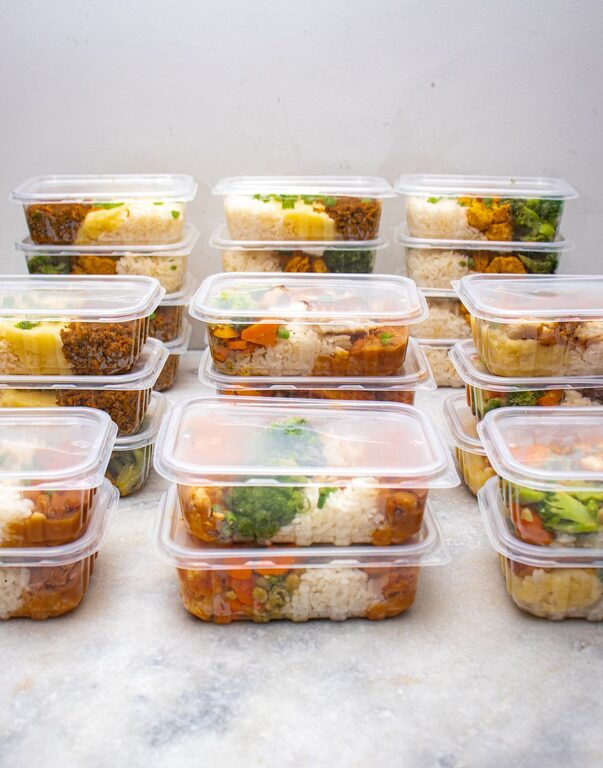
Planning balanced meals doesn’t have to be overwhelming or time-consuming. With a few simple strategies, you can enjoy nutritious, satisfying meals without the stress of last-minute decisions or complicated recipes. Whether you’re cooking for yourself, your family, or a group, understanding how to create balanced meals will help you maintain a healthy lifestyle with ease.
What is a Balanced Meal?
A balanced meal includes a variety of foods that provide essential nutrients your body needs to function well. Generally, a balanced plate consists of:
– Proteins: Help build and repair tissues (e.g., lean meat, fish, beans, tofu)
– Carbohydrates: Provide energy (e.g., whole grains, starchy vegetables, fruits)
– Fats: Support cell growth and brain function (e.g., nuts, seeds, olive oil, avocado)
– Vegetables and Fruits: Deliver vitamins, minerals, and fiber
– Water: Keeps you hydrated and supports overall health
Aim to fill half your plate with vegetables and fruits, one-quarter with lean protein, and one-quarter with whole grains or starchy veggies. This simple visual can be your guide when planning meals.
Benefits of Planning Balanced Meals
– Saves time and reduces stress: Knowing what you’ll eat each day means fewer last-minute decisions.
– Supports better nutrition: Prevents skipping food groups or eating too much of one type.
– Promotes mindful eating: When meals are planned, you’re more likely to enjoy and appreciate your food.
– Helps manage grocery budgets: Planning meals helps avoid food waste and multiple trips to the store.
Steps to Plan Balanced Meals Without Stress
1. Set Aside Time to Plan
Choose a regular day and time in the week, such as Sunday afternoon, to plan your meals. Consistency can make meal planning part of your routine.
2. Keep It Simple
You don’t need to create gourmet dishes every day. Focus on easy, nutritious recipes that you enjoy. Simple meals are easier to prepare and less stressful.
3. Use a Meal Planning Template
Write down your meals for each day of the week. Include breakfast, lunch, dinner, and snacks if needed. This helps you visualize the balance of your meals.
4. Focus on Variety
Try to include different colors and types of vegetables and proteins throughout the week. Variety ensures a wide range of nutrients and keeps meals exciting.
5. Batch Cook and Meal Prep
Prepare components like grains, roasted vegetables, or proteins in advance. This way, assembling meals during busy days is quick and convenient.
6. Keep a Well-Stocked Pantry and Fridge
Having staple ingredients like canned beans, frozen vegetables, whole grains, and spices on hand means you can easily pull together balanced meals even when you haven’t planned in detail.
7. Plan for Leftovers
Cook larger portions when possible and use leftovers for lunches or dinners. This reduces cooking time and food waste.
Sample Balanced Meal Ideas
Here are a few examples to inspire your meal planning:
– Breakfast: Greek yogurt with mixed berries, a handful of nuts, and a drizzle of honey
– Lunch: Quinoa salad with chickpeas, cherry tomatoes, cucumbers, feta cheese, and olive oil dressing
– Dinner: Grilled chicken breast, steamed broccoli, and sweet potato wedges
– Snack: Apple slices with peanut butter or carrot sticks with hummus
Tips for Managing Common Meal Planning Challenges
When You’re Short on Time
Opt for one-pot meals, salads, or sandwiches that require minimal cooking. Use frozen or pre-chopped vegetables to save prep time.
When Shopping
Make a detailed grocery list based on your meal plan to avoid impulse buys and missed ingredients.
When Eating with Kids or Picky Eaters
Include familiar foods alongside new options. Encourage children to help with planning and preparing meals to increase their interest.
When Budget Matters
Focus on seasonal produce and affordable proteins like lentils or eggs. Cooking from scratch is usually more cost-effective than pre-packaged foods.
Conclusion
Planning balanced meals can be straightforward and enjoyable. By dedicating a little time each week, keeping meals simple, and focusing on variety and preparation, you can remove the stress from mealtime. Not only will your body thank you for the nutritious food, but your mind will appreciate the calm that comes from being prepared.
Start small, experiment with different foods, and find what works best for your lifestyle. Before long, balanced, stress-free meals will become second nature.