
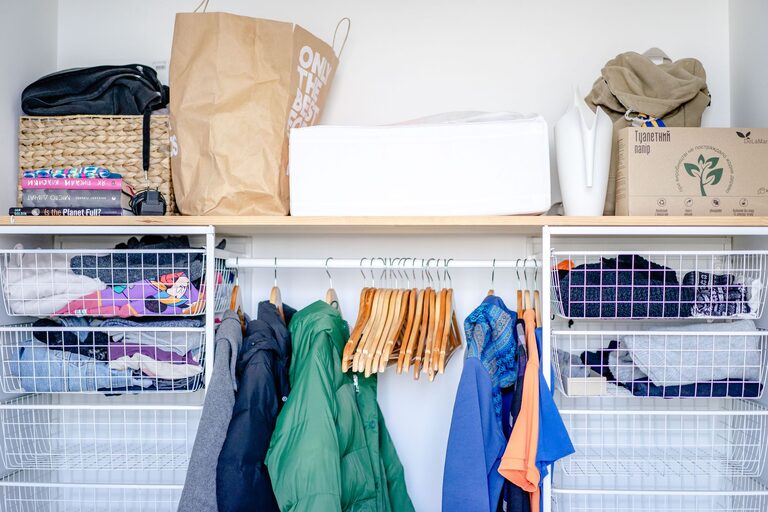
Storing seasonal clothes efficiently can help you save space, keep your wardrobe organized, and protect your garments from damage. Whether you’re packing away winter sweaters or summer dresses, using the right techniques ensures your clothes stay fresh and ready to wear when the season returns. In this guide, we’ll explore practical tips and storage solutions to help you manage your seasonal wardrobe with ease.
Why Efficient Storage Matters
Storing clothes properly during off-seasons prevents wrinkles, mold, moth damage, and fading. It also frees up closet space, making it easier to find your current-season wardrobe without clutter. Efficient storage can extend the life of your favorite pieces and help maintain their appearance.
Preparing Your Clothes for Storage
Before putting clothes away, it’s important to prepare them carefully.
Clean Everything
– Wash or dry clean all items to remove dirt, sweat, and oils that can attract insects and cause stains.
– For delicate fabrics, follow the care label instructions to avoid damage.
Dry Thoroughly
– Make sure clothes are completely dry before storing to prevent mold and mildew.
– Hang damp clothes in a well-ventilated area until fully dry.
Repair and Sort
– Mend any rips, missing buttons, or loose threads.
– Sort clothes by type, material, or size to simplify retrieval later.
Choosing the Right Storage Containers
Selecting the best storage containers is essential for protecting your clothes.
Types of Containers
– Plastic bins with tight-fitting lids are great for keeping out moisture and pests.
– Fabric storage bags allow breathability, ideal for delicate or natural fibers.
– Vacuum-sealed bags save space by compressing bulky clothes but aren’t recommended for heavy, fragile fabrics.
– Under-bed storage boxes utilize unused space while keeping clothes accessible.
Labeling
– Label each container clearly with its contents and season for easy identification.
Storing Seasonal Clothes Step-by-Step
Fold or Hang?
– Fold bulky items like sweaters and sweatshirts to avoid stretching.
– Hang lightweight and wrinkle-prone items using padded or wooden hangers in garment bags.
Use Acid-Free Tissue Paper
– Place tissue paper between layers or inside sleeves to prevent creases and color transfer.
Add Protection
– Use natural sachets like lavender or cedar to repel moths and keep clothes smelling fresh.
– Avoid mothballs due to their strong odor and chemical content.
Store in a Cool, Dry Place
– Avoid basements or attics if they are damp or prone to temperature fluctuations.
– A climate-controlled closet or storage room works best for preserving fabrics.
Space-Saving Tips
– Roll items like t-shirts, scarves, and some pants to maximize space.
– Place heavier items on the bottom of storage containers.
– Utilize vertical storage options, such as shelves, to keep containers off the floor.
Organizing for Easy Access
– Keep the current season’s clothes in the main closet area.
– Store off-season wardrobes in labeled bins, bins under the bed, or on high shelves.
– Rotate clothes seasonally; this helps you keep track of what you own and makes dressing easier.
Additional Tips for Specific Fabrics
Wool and Cashmere
– Store folded in breathable cotton bags with cedar blocks.
Cotton and Linen
– Store clean, folded, and avoid plastic wrapping to prevent moisture buildup.
Synthetic Fabrics
– Fold neatly in plastic bins with lids to keep dust away.
Maintaining Stored Clothes
– Air out stored clothes periodically to keep them fresh.
– Check for signs of pests or damage every few months.
– Refold to prevent permanent creasing if clothes have been compressed for a long time.
Conclusion
Efficiently storing seasonal clothes makes your wardrobe manageable and protects your garments. By cleaning, preparing, choosing the right containers, and using space-saving methods, you can ensure your clothes stay in excellent condition until the next season. With a little planning and care, switching your wardrobe can be stress-free and organized year after year.