
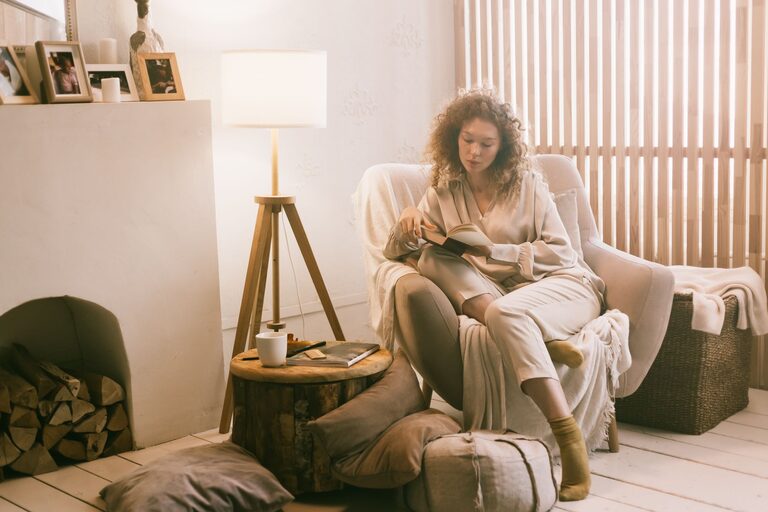
Creating a comfortable lighting environment in your home is essential for both functionality and ambiance. Good lighting can improve your mood, reduce eye strain, and highlight the beauty of your interior design. Whether you’re redesigning a room or just updating your fixtures, understanding how to choose the right lighting can make a big difference. This guide offers helpful tips to help you select comfortable home lighting suited to your lifestyle and space.
Understanding the Basics of Home Lighting
Before diving into specific tips, it’s useful to understand the three main types of lighting used in homes:
– Ambient lighting: The general light that fills a room, providing overall illumination.
– Task lighting: Focused lighting meant for specific activities such as reading, cooking, or working.
– Accent lighting: Decorative lighting that highlights particular features like artwork or architectural details.
Balancing these lighting types can create a layered, inviting atmosphere.
Choose the Right Light Bulbs
Selecting the right light bulb is key to comfort and energy efficiency.
Consider Color Temperature
Color temperature is measured in Kelvin (K) and affects how warm or cool the light appears:
– Warm light (2700K – 3000K): Gives a cozy, relaxing feel, ideal for living rooms and bedrooms.
– Neutral light (3500K – 4100K): Suitable for kitchens and workspaces, providing clear light without harshness.
– Cool light (5000K+): Mimics daylight, great for detailed tasks but may feel too bright or clinical for living areas.
Look for High CRI
The Color Rendering Index (CRI) measures how accurately a light source shows colors compared to natural light. A CRI above 80 is recommended for comfortable and natural color perception.
Choose Energy-Efficient Bulbs
LED bulbs are a popular choice because they last longer and use less energy. They are available in various color temperatures and brightness levels, making them versatile for all rooms.
Plan for Adjustable Lighting
Having control over your lighting can increase comfort significantly.
– Dimmer switches: Allow you to adjust the brightness to match the time of day or activity, reducing eye strain.
– Smart lighting: Offers remote control, presets, and color changing features via smartphone apps or voice assistants. This is especially handy for customizing ambiance.
Match Lighting to Room Function
Each room in your home has different lighting needs.
Living Room
– Use warm ambient lighting to create a relaxing atmosphere.
– Add task lamps near seating areas for reading.
– Consider accent lighting for artworks or plants.
Kitchen
– Bright, neutral lighting helps with cooking and cleaning.
– Under-cabinet lights reduce shadows on work surfaces.
– Adjustable lighting is useful for transitioning from meal prep to dining.
Bedroom
– Soft, warm ambient lighting promotes relaxation.
– Bedside lamps with adjustable brightness support reading.
– Avoid overly bright or blue-toned lights before bedtime to help wind down.
Bathroom
– Bright, cool lighting is best for grooming tasks.
– Use layered lighting with vanity lights on both sides of the mirror to reduce shadows.
– Consider moisture-resistant fixtures for safety.
Position Lights Thoughtfully
Where you install lighting is as important as the type you choose.
– Avoid placing lights directly in front of screens to reduce glare.
– Use indirect lighting, such as wall sconces or uplights, to soften harsh shadows.
– Position task lighting so it illuminates the work area without causing eye strain.
Incorporate Natural Light
Maximizing natural light improves comfort and reduces energy use.
– Use sheer curtains or blinds to diffuse sunlight while minimizing glare.
– Place mirrors strategically to reflect daylight deeper into the room.
– Keep windows clean and unobstructed.
Consider Fixture Style and Size
Lighting fixtures should complement your decor and be proportionate to the space.
– Large rooms can handle bigger chandeliers or multiple light sources.
– Small spaces benefit from compact fixtures or recessed lighting.
– Choose fixture materials and finishes that suit your style but also help diffuse or direct light effectively.
Safety and Maintenance Tips
– Use bulbs with appropriate wattage as recommended by the fixture to avoid overheating.
– Clean fixtures regularly to maintain brightness.
– Replace bulbs promptly when they burn out to keep consistent lighting.
Final Thoughts
Comfortable home lighting is about blending functionality with atmosphere. By selecting the right bulbs, planning adjustable and layered lighting, and considering the specific needs of each room, you can create a welcoming and practical environment. Don’t hesitate to experiment with different lighting setups to find what works best for your home and lifestyle. With a thoughtful approach, lighting can transform your space into a comfortable haven.